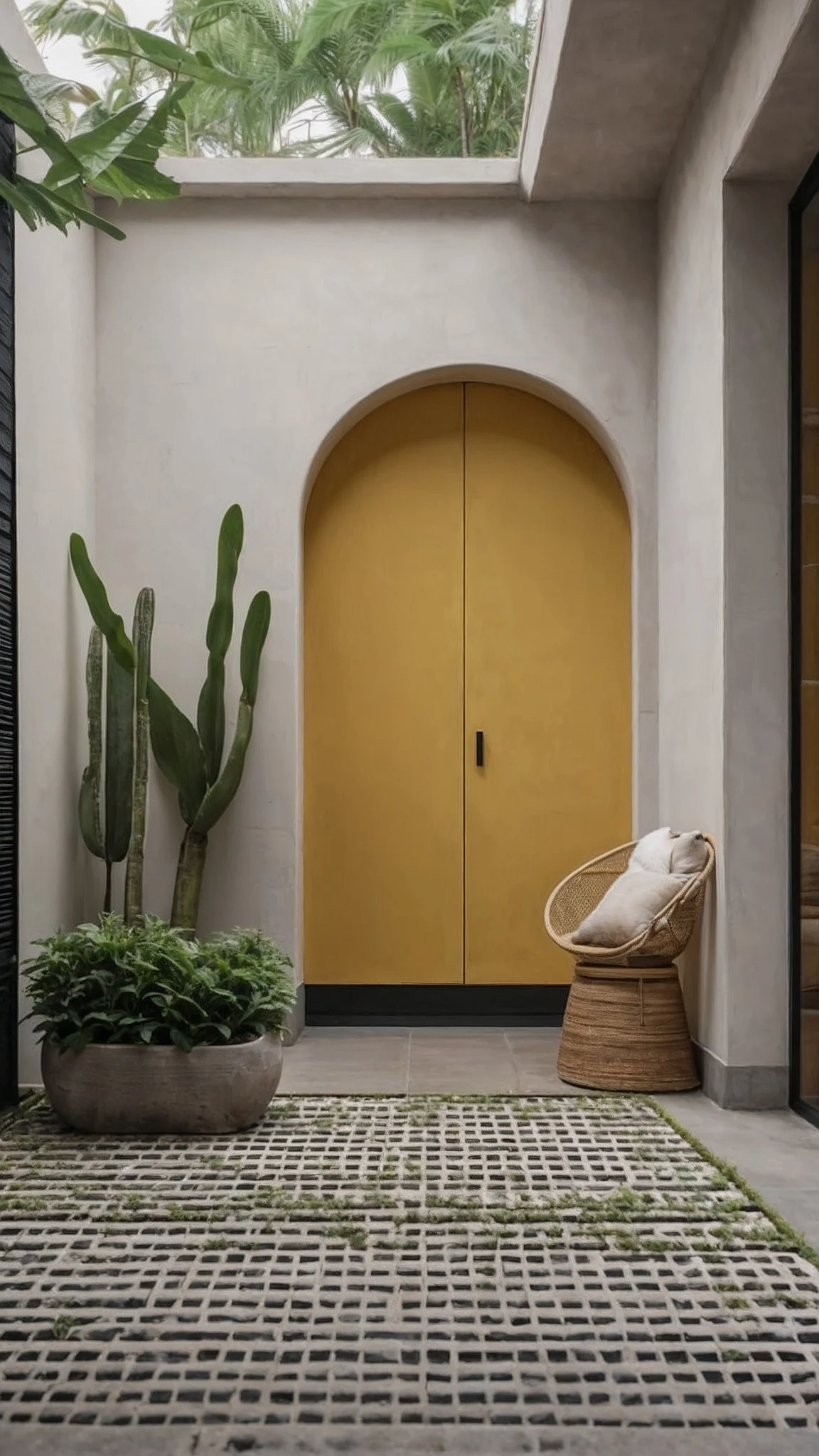
 01Open study
The Indian Courtyard Reinterpreted
The contemporary courtyard should earn its place in the plan. A study of how a carefully proportioned void can organise movement, privacy, rain and the everyday life of an urban home.
IDEAS & RESEARCH
A field journal on the way we live.
Light, climate, material and the Indian home—examined through evidence and architectural possibility.
Architecture begins
with a better question.
THE READING ROOM
Start with a question. Follow an idea.
Each study brings together a detailed essay, an interactive drawing and a reading list.
08 studies / All themes
01Open studyThe contemporary courtyard should earn its place in the plan. A study of how a carefully proportioned void can organise movement, privacy, rain and the everyday life of an urban home.
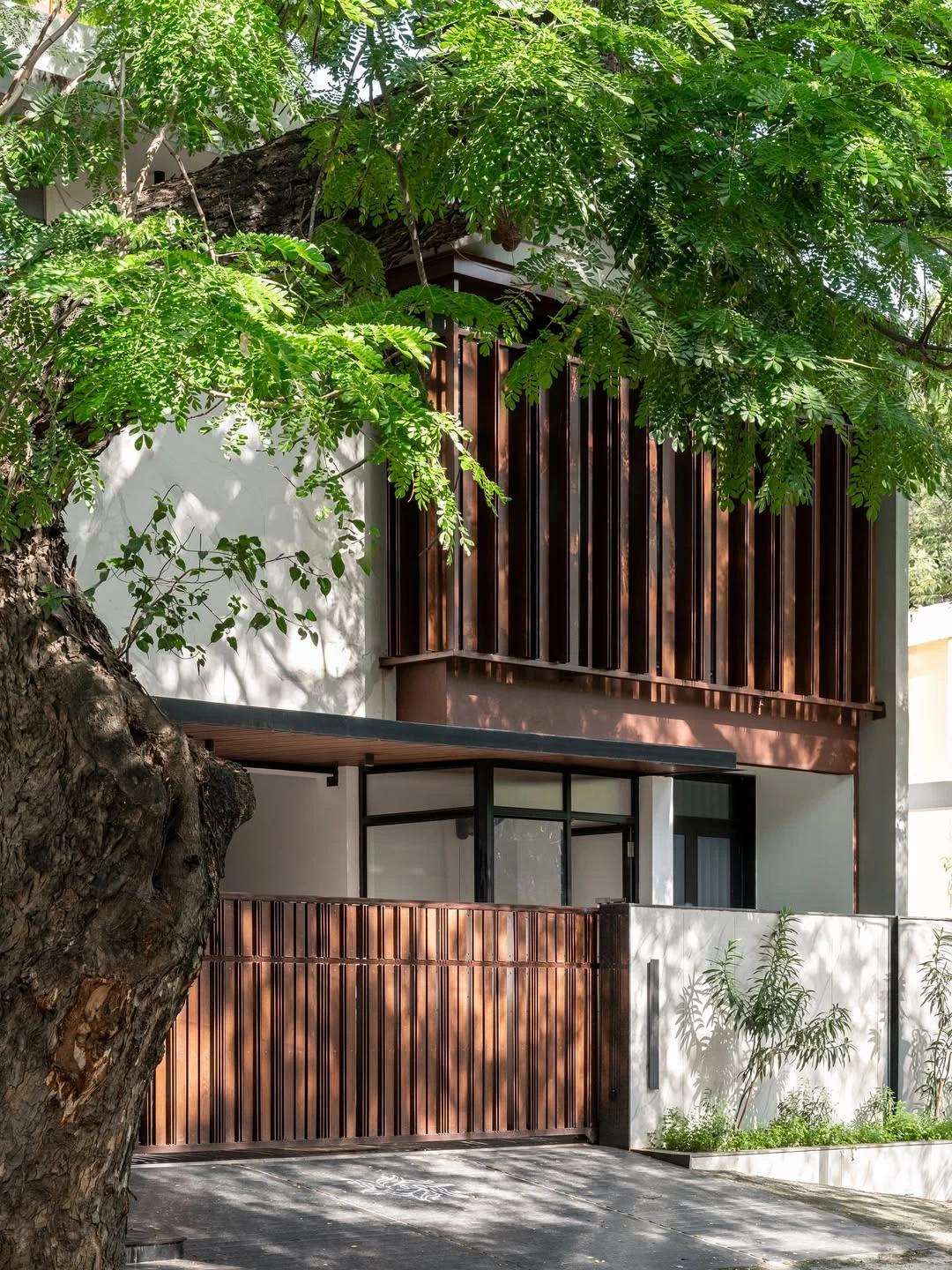 02Open study
A window is only one part of a ventilation system. This study follows air from the street to the occupied room, through changing weather, closed doors and the realities of everyday living.
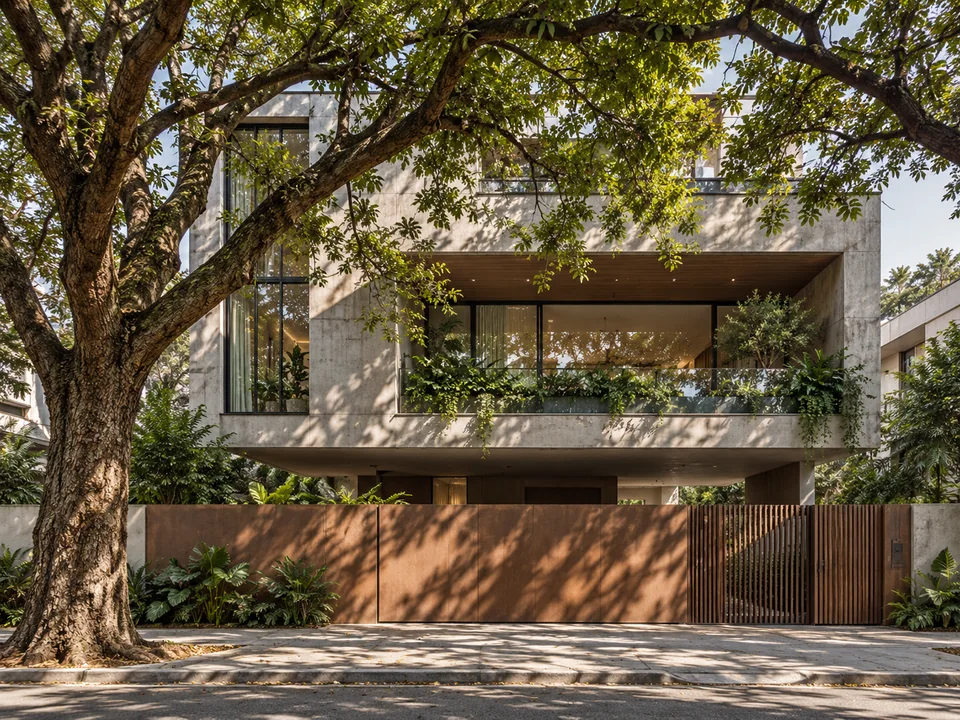 03Open study
Beyond the idea of a permanently pleasant city: a seasonal reading of heat, rain, exposure and household routines, translated into a responsive envelope for Bengaluru.
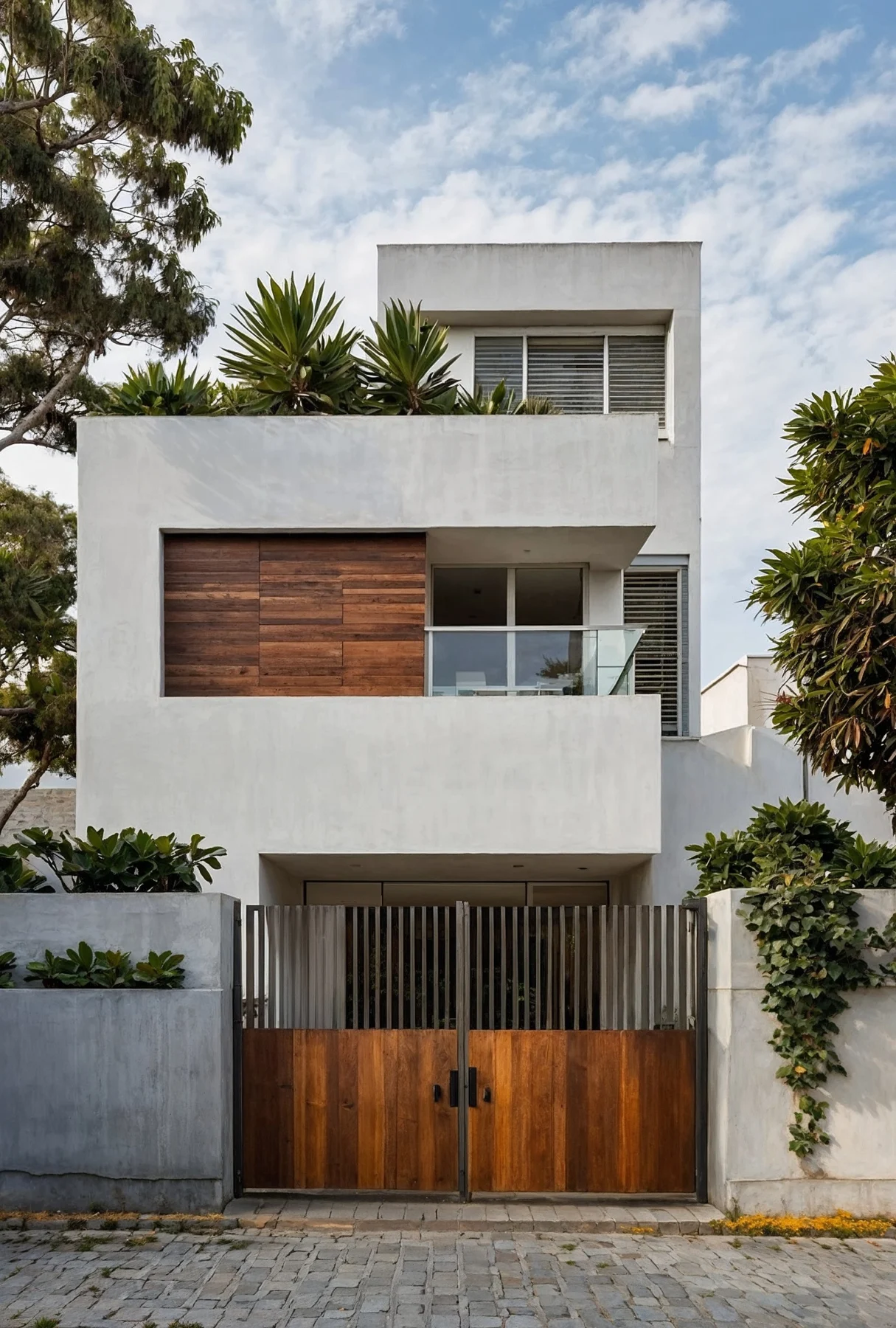 04Open study
A familiar plot size, an unusually demanding design problem. A study in circulation, shared resources, privacy and the long-term usefulness of compact urban homes.
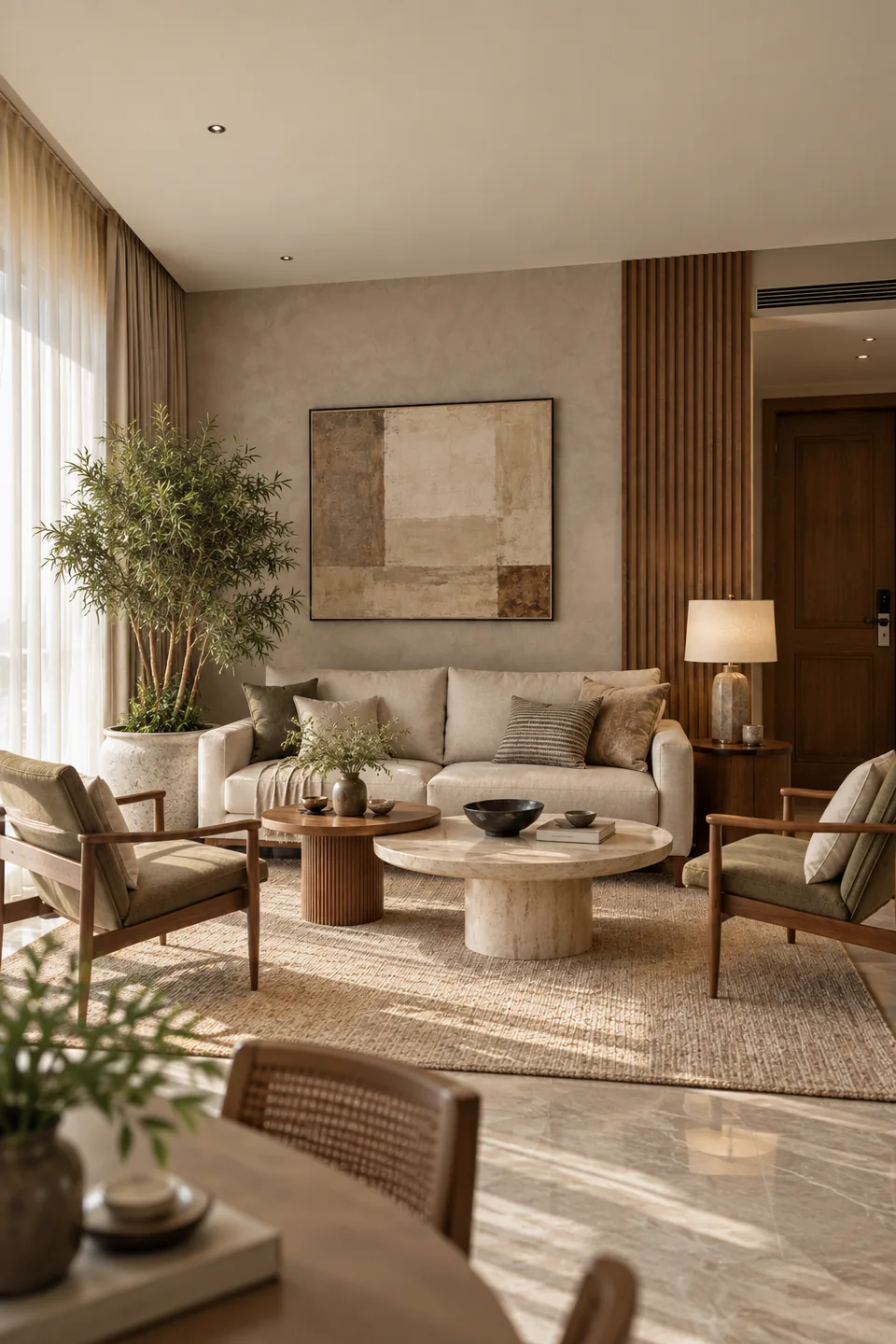 05Open study
Daylight is a changing spatial material. This study looks beyond bigger windows to the geometry of shade, the brightness of surfaces and the way a room is occupied through the day.
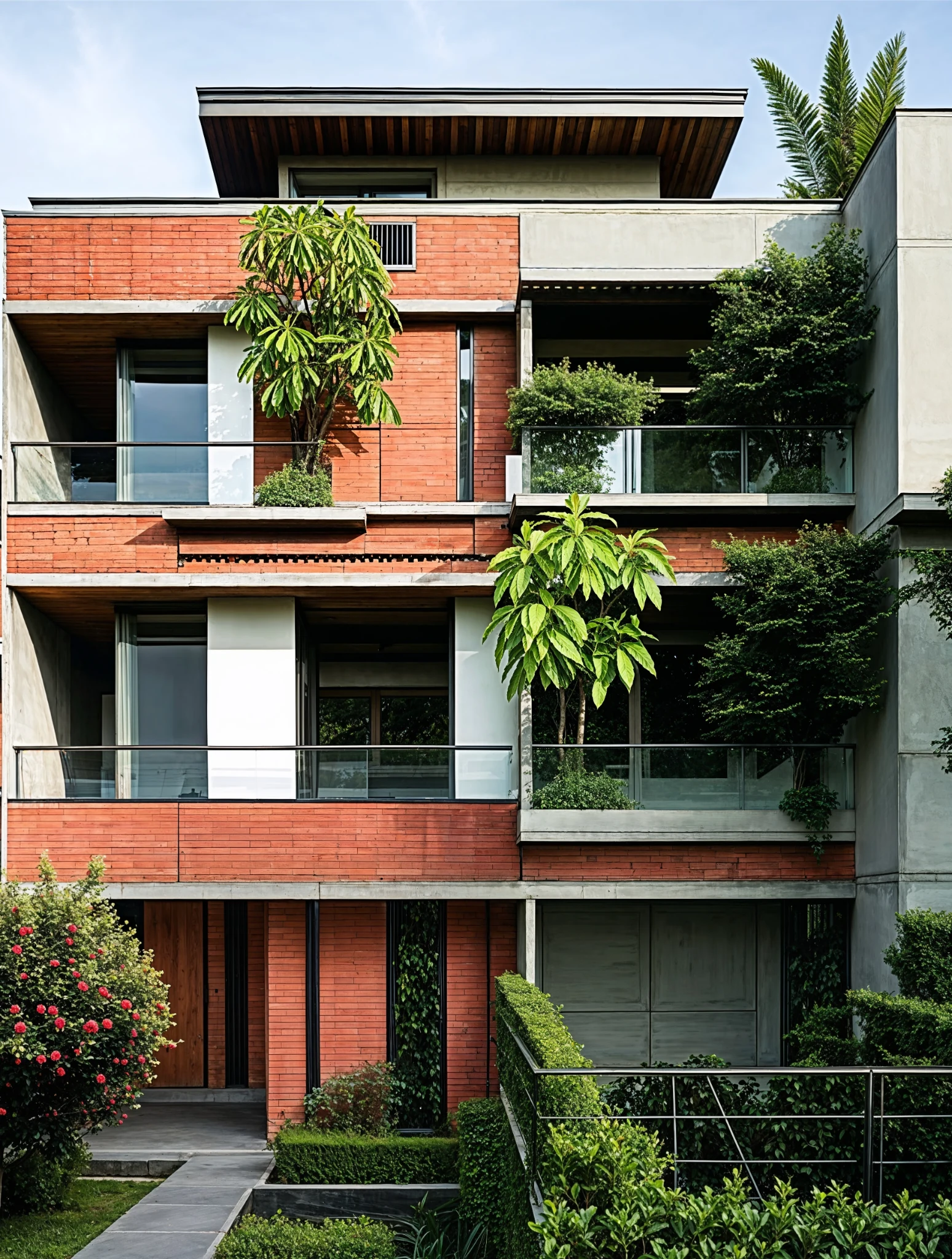 06Open study
Privacy need not mean a sealed house. An exploration of thresholds, sightlines, layered façades and the ability to choose how much of domestic life meets the city.
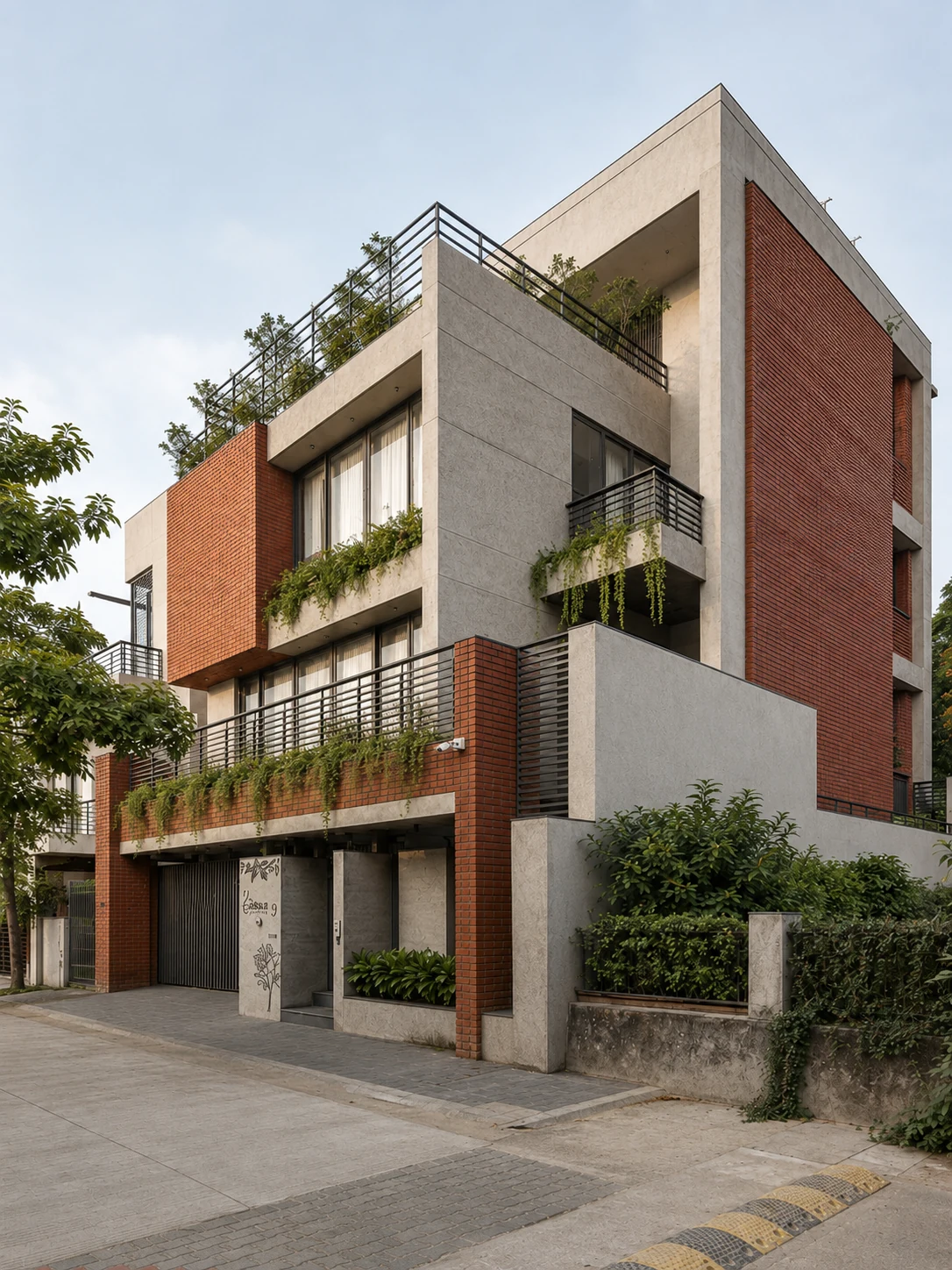 07Open study
Beyond the appearance of exposed brick or concrete: a study of what materials do, where they come from, how they meet and what it takes to keep them useful.
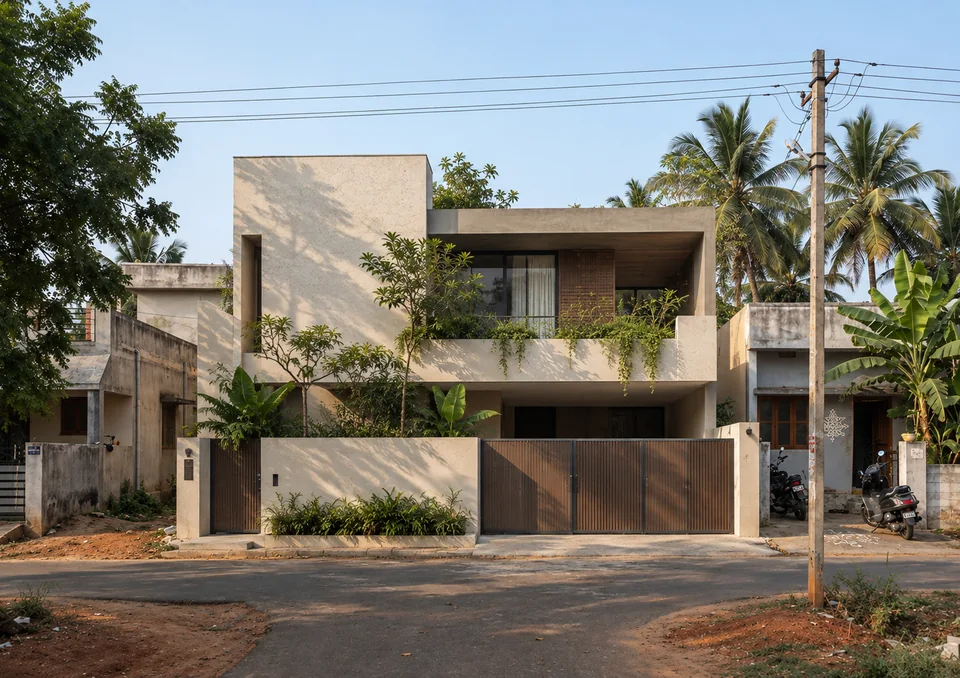 08Open study
Timelessness is not a style frozen in place. It is the capacity of a house to remain useful, intelligible and worth caring for as people, technologies and expectations change.
Try light, privacy, materials or Bengaluru.
These are editorial research notes and original design propositions for discussion—not reports of completed experiments or peer-reviewed findings. Published evidence is linked where used; the proposals describe how an idea could be developed and tested.
Interactive drawings explain specific relationships. They do not replace a survey, engineering design, environmental simulation or project approvals. Portfolio imagery is illustrative and is not presented as evidence of measured performance.
Begin with the courtyard study